Home Insurance

Home Insurance Guidance for Dallas Homeowners

Home insurance is a household decision, not just a closing requirement.

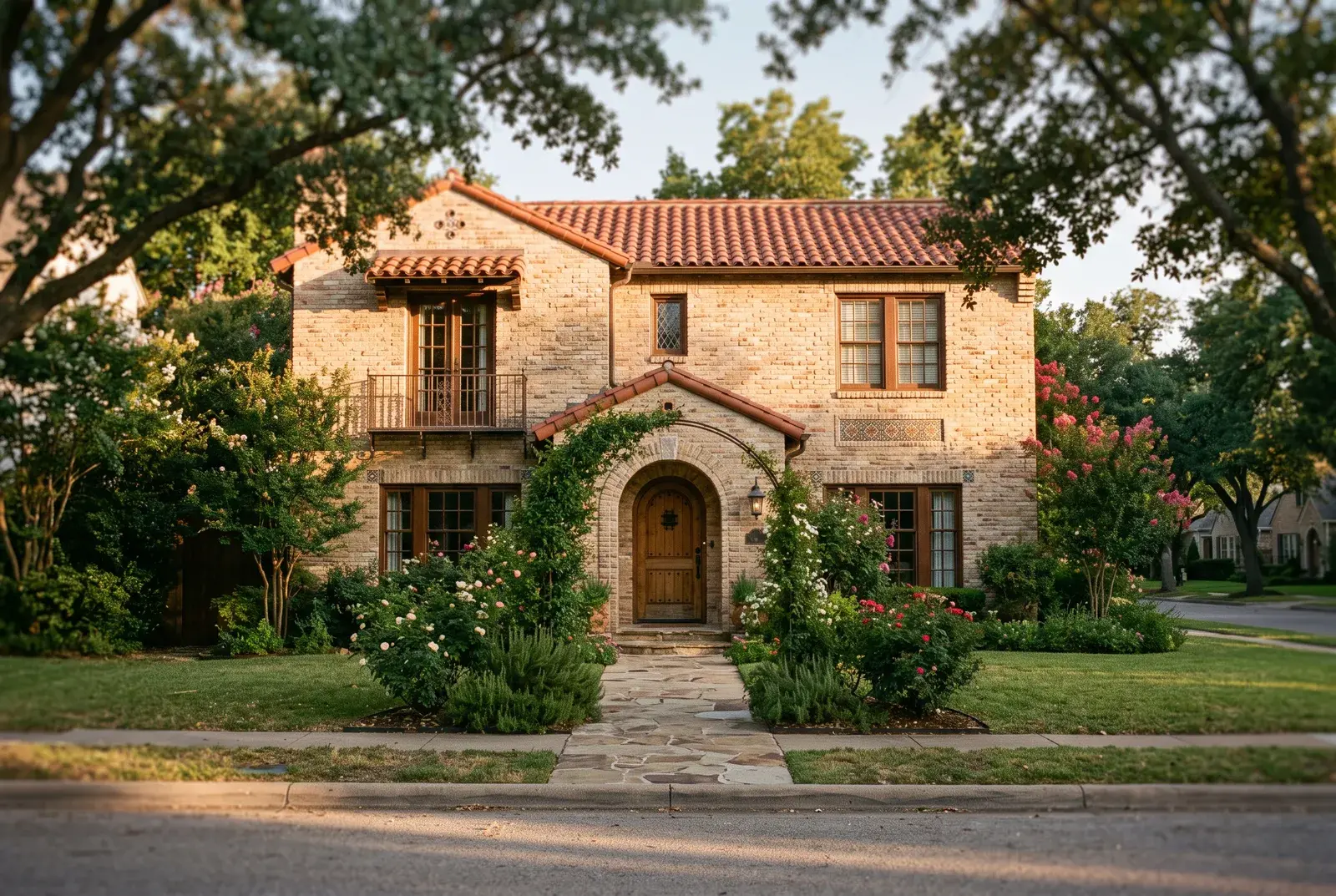
Editorial photo for Home Insurance Guidance for Dallas Homeowners
Direct Answer
Mark Nesselroad's East Dallas office helps Dallas homeowners think through home insurance carefully — before closing, after renovations, and at annual review. Conversations cover property details, renovations, deductibles, limits, and what records are worth keeping. English and Spanish support, 214-320-3333.
Who this page is for
  • Dallas homebuyers approaching closing
  • Lakewood, East Dallas, and Casa Linda homeowners with older properties
  • Households who recently renovated or updated systems
  • Homeowners moving from renting to owning
  • Households at annual coverage review
Section 01

Questions before buying a home

Closing is one of the biggest purchases most households make. A clearer conversation helps make sure the right questions get asked first.

  • QWhat information should I review before closing?
    Property age and major systems, recent renovations, deductible structure (Dallas wind/hail deductibles often work differently from standard), dwelling and personal property limits, and any conditions or exclusions. Closing day shouldn't be the first time you have this conversation.
  • QWhat property details matter for the conversation?
    The most useful starting points: square footage, year built, age of the roof and major systems, recent updates with rough dates, and any features that affect repair (older woodwork, original plumbing, additions). For Dallas-area older homes, system update history matters more than people expect.
  • QHow do deductibles and limits affect the decision?
    They shape how much risk you absorb up front (deductible) versus how much the policy responds to (limit). For Dallas homes, wind/hail deductibles often run separately from standard deductibles — sometimes as a percentage of the dwelling limit instead of a flat dollar amount. Both numbers matter; the right combination depends on your cash flow and what you'd want to be covered for.
  • QWhat records should I have ready?
    Current declarations page if you have one (it lists limits and deductibles), a short list of recent changes, and any specific questions you want answered. None of it is required, but it makes the first 10 minutes substantive instead of orienting.
Section 02

Older homes and renovations

Older homes — especially in Lakewood, East Dallas, and Casa Linda — change over time. Renovations and system updates change the conversation.

  • QWhat features of an older Dallas home should be reviewed?
    Roof age and replacement history, plumbing and electrical updates, construction type, additions over time, and any historic-character features that change repair conversations. For Lakewood, East Dallas, and Casa Linda especially, the update history matters.
  • QHave we updated roof, plumbing, or electrical recently?
    Roof replacements, plumbing or electrical updates, HVAC swaps, additions, kitchens or baths redone, and structural changes. The office uses these to revisit limits and records — the policy may have been priced when the home was different.
  • QWhat renovations should the office know about?
    Major ones: additions or extensions, kitchens or baths fully redone, structural changes, garage conversions, new roof, new electrical service or panel upgrade, new plumbing supply lines, foundation work. Smaller cosmetic updates usually don't move the conversation. When in doubt, mention it — easier to wave off than to leave out.
  • QWhat records should homeowners keep?
    Photos before and after, dated invoices showing the work and contractor, permits if any were pulled, and a one-page summary per project. The date and contractor are the most important pieces. A simple folder per project saves time later if anything ever needs reviewing.
Section 03

Deductibles, limits, and household changes

Two home insurance quotes can look almost identical and still be very different policies.

  • QAre the limits the same?
    Limits are the maximum the policy will respond to by category. If two quotes don't have the same limits, they aren't really comparing apples to apples — even if the premiums look close. Walk through them line by line and write down which limit is which.
  • QAre the deductibles the same?
    Deductibles are what you pay out of pocket before the policy responds. A policy with a higher deductible saves money monthly but costs more if something happens. Make sure both quotes use the same deductible structure (and watch for split deductibles like wind/hail in Texas).
  • QWhat conditions or exclusions should I understand?
    Exclusions are the situations a policy specifically does not respond to, and conditions are requirements that must be met for a claim to apply. They live in the fine print, so it's worth asking the office to walk through any that aren't obvious before you decide.
  • QHas anything changed in the household?
    New driver, new vehicle, new household member, renovation, change in income, change in routine — any of those can shift what the right policy looks like. The office tries to catch these once a year, but a quick call when something changes is faster than waiting.
Section 04

From renter to homeowner

Moving from a renters policy to a homeowners policy changes the kinds of questions worth asking.

  • QWhat changes when I move from renting to owning?
    The conversation expands. As a renter, you cover personal property and liability; as an owner, you're now responsible for the structure and systems too. New questions arrive: dwelling limits, deductibles by claim type, and what records to keep.
  • QWhat questions should I ask before my first homeowners policy?
    First-time owners often haven't priced any of this before. The most useful first questions: what's the difference between actual cash value and replacement cost? What's the wind/hail deductible vs. the standard deductible? What's covered for personal property if I lose everything? What records should I start keeping? Asking these on day one sets the conversation up well.
  • QWhat records should I start keeping?
    A new-homeowner habit worth building: one folder (paper or digital) for the property, with the closing documents, current declarations page, photos of the major rooms and exterior, and a log of any work done. Add to it as you go. Six years from now you'll be glad it exists, and it makes annual reviews much faster.
Section 05

Annual coverage review

Once a year is a common starting point — plus any major change.

  • QWhat changed in the household this year?
    Annual-review framing: new drivers, new vehicles, marriages or kids, college transitions, jobs, work-from-home shifts, household members added or moved out. Most years there's at least one change worth a sentence or two. Walking through the year-over-year deltas is the easiest way to keep the policy reflecting reality.
  • QDid I renovate, update systems, or buy something new?
    If yes to any of these: mention it on the next call. Roof, plumbing, electrical, HVAC, additions, big-ticket purchases (jewelry, art, equipment, instruments), or new vehicles. The office uses these to revisit limits and records — a small heads-up is all it takes.
  • QIs it time for a clearer conversation?
    If anything has changed and you've been on autopilot, yes. The trigger for a real conversation is a change that the policy doesn't yet know about. The office is happy to do a 20-minute review even if nothing's wrong — that's how things stay current.
In Practice

What the conversation actually looks like.

Not testimonials — just the kinds of households the office tends to help, and how the conversation differs depending on what’s going on.

Scenario 01

A Lakewood homeowner who recently replaced a roof or updated electrical

An older Lakewood home where major systems just got refreshed has a different conversation than the one it was having last year. The property looks similar from the curb, but the questions about limits, records, and what the office should know are genuinely different. A 15-minute conversation usually surfaces at least one update worth discussing.

Scenario 02

A first-time homebuyer moving from a renters policy

Going from renting to owning expands the conversation. The questions worth asking aren't the same as the ones a renter usually thinks about — property details, deductibles, limits, and records all enter the picture. Closing day shouldn't be the first time you talk that through, and the office prefers to start the conversation earlier.

Before You Call

What to prepare.

A short prep list makes the conversation faster and more useful. None of these are required — they just help.

  • 01Property details (square footage, age of major systems)
  • 02Recent renovations or updates
  • 03Current coverage summary if available
  • 04Photos or records of higher-value items
  • 05Any specific questions you want to ask
FAQ

Common questions.

What should I review before buying home insurance in Dallas?

Property details, recent updates, age of major systems, and any household changes are all useful to have ready before a conversation.

General

Why review home insurance after a renovation?

Updates to a home can change the conversation. Letting the office know about major renovations means questions about property details and limits can be revisited together.

General

What questions should Lakewood homeowners ask about older homes?

Ask about the age of major systems, recent updates, and what records are worth keeping — Lakewood's older homes often have history worth discussing.

General

How often should homeowners revisit their coverage?

Annually is a common starting point, plus any time a major life or property change happens.

General

Can I get the conversation in Spanish?

Yes. The office has full-time Spanish-speaking staff.

General

Talk With the Office

Have a coverage question? Start with a conversation.

Mark Nesselroad's East Dallas office helps you talk through your situation and understand which questions are worth asking before making your next coverage decision.

Call Office