Auto Insurance

Auto Insurance Guidance for Dallas Drivers

Before you compare auto insurance prices, understand what you're comparing.

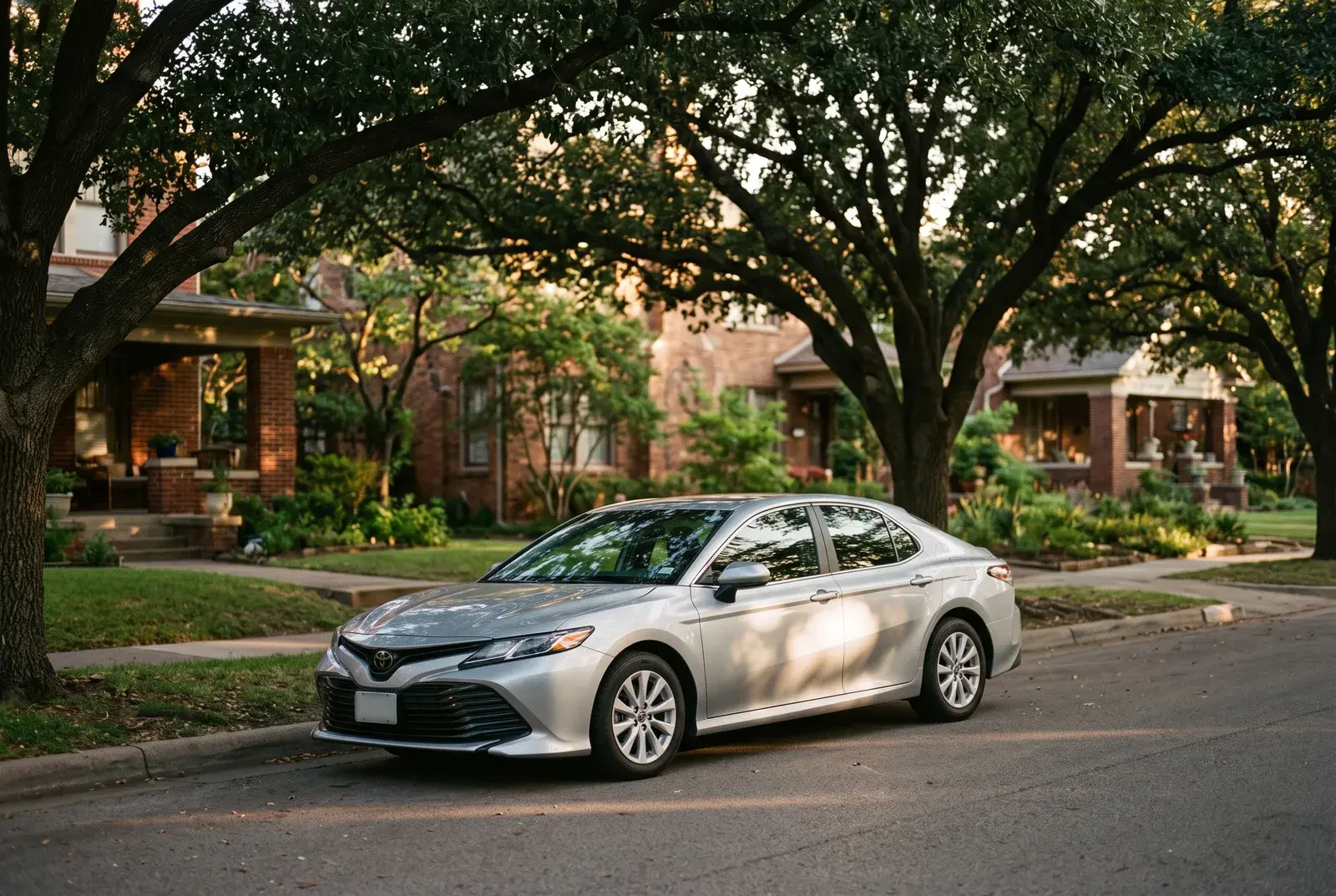
Editorial photo for Auto Insurance Guidance for Dallas Drivers
Direct Answer
Mark Nesselroad's East Dallas office helps Dallas drivers ask better questions before choosing or updating auto insurance. The office talks through household changes, new drivers, vehicles, daily routines, and what to prepare before comparing premiums — in English or Spanish, at 214-320-3333.
Who this page is for
  • Dallas drivers shopping or comparing auto insurance
  • Parents adding a teen driver to the household
  • Multi-car families with changing routines
  • People moving to Dallas with existing auto coverage
  • Drivers tired of online-only quote tools
Section 01

Auto questions Dallas drivers should ask

Two auto quotes that look similar can be very different once you compare the details. These questions help surface what's actually being compared.

  • QAre the limits the same on both quotes?
    Limits are the maximum the policy will respond to by category. If two quotes don't have the same limits, they aren't really comparing apples to apples — even if the premiums look close. Walk through them line by line and write down which limit is which.
  • QAre the deductibles the same?
    Deductibles are what you pay out of pocket before the policy responds. A policy with a higher deductible saves money monthly but costs more if something happens. Make sure both quotes use the same deductible structure (and watch for split deductibles like wind/hail in Texas).
  • QWhat conditions or exclusions should I understand?
    Exclusions are the situations a policy specifically does not respond to, and conditions are requirements that must be met for a claim to apply. They live in the fine print, so it's worth asking the office to walk through any that aren't obvious before you decide.
  • QHas anything changed in the household — drivers, vehicles, routines?
    New driver, new vehicle, new household member, renovation, change in income, change in routine — any of those can shift what the right policy looks like. The office tries to catch these once a year, but a quick call when something changes is faster than waiting.
  • QWhat questions should I ask about my daily commute or work-from-home situation?
    It's worth a conversation. Less commute changes annual mileage and the kind of driving the policy was priced for. The office will ask roughly how many days per week you drive to a workplace and whether the household has shifted to one car for daily errands.
Section 02

Adding a teen driver

Adding a new driver is one of the biggest moments where it pays to ask the right questions before signing.

  • QHow might a new driver change the household conversation?
    It changes more than the premium. Adding a driver opens questions about which vehicle they primarily drive, the records the office wants on file, how household coverage levels should be reviewed, and when to revisit (turning 18, going to college, getting their own car).
  • QWhat should parents ask before updating coverage?
    What the office wants to know about the new driver: license number and date issued, primary vehicle, school address if applicable, any driver's-ed or defensive driving certificates, and any prior driving record. Plus what the parents want to revisit: deductibles, vehicle assignments, and when to call again (turning 18, getting a new car, going to college).
  • QWhat information should be ready before calling?
    Current declarations page if you have one (it lists limits and deductibles), a short list of recent changes, and any specific questions you want answered. None of it is required, but it makes the first 10 minutes substantive instead of orienting.
  • QWhat records should be kept once the change is made?
    For a new driver: a copy of their license, the dates the change took effect, any defensive driving certificate, and the school or work address if it affected the policy. Light records — just enough that future updates (vehicle change, move, leaving the household) are easy to make.
Section 03

Multi-car households

Multi-car households have more variables — more drivers, more routines, more change over time.

  • QWhat multi-car questions should this household ask?
    Who actually drives which car most days, whether deductibles should be consistent across vehicles, and whether any vehicles are used differently than the policy assumes (work-from-home shifts, side businesses, occasional vs. daily use).
  • QHow does household composition affect the conversation?
    More drivers usually means more variables — different routines, different vehicles, sometimes different deductible preferences per car. The office tries to map who actually drives what most days. Roommates and visiting family members generally aren't on the policy; the household roster is.
  • QWhat should change when a vehicle leaves or arrives?
    Process-wise: a quick call when the change is on the calendar, not after. The office adds or removes the vehicle, revisits deductibles for the new (or remaining) cars, and updates household drivers if anyone's primary vehicle shifted. Dealerships often want proof of coverage at delivery, so calling a day or two ahead is helpful.
Section 04

Changing vehicles or moving to Dallas

A new car or a new address can both change the conversation in ways that aren't obvious from a price quote.

  • QWhat should I think through when buying a new vehicle?
    Year, make, model, VIN, and how the new vehicle will be used. A more or less expensive replacement vehicle is a good moment to revisit deductibles. If it's an addition (not a replacement), household drivers and use patterns also shift.
  • QWhat should change when I move to Dallas?
    An address change is the easy part. The conversation worth having is whether the rest of the policy still reflects your situation — vehicles, drivers, property, business. Many out-of-state moves end up with policies that quietly stop fitting because no one revisited beyond the address line.
  • QWhat local Dallas factors are worth discussing?
    Commute, parking situation, neighborhood, type of housing (apartment vs. older home vs. newer build), and household drivers. Dallas-area older homes especially in Lakewood, East Dallas, and Casa Linda often have system-update history worth discussing.
In Practice

What the conversation actually looks like.

Not testimonials — just the kinds of households the office tends to help, and how the conversation differs depending on what’s going on.

Scenario 01

A family adding their first teen driver in late summer

Most years, the office has the same conversation 50 different ways from August through October. The household added a new driver, the routes to and from school shifted, maybe a second car came into the picture. None of that is unusual — but it's also not the conversation a one-line auto quote can have. A 20-minute call surfaces the questions that matter before the policy changes.

Scenario 02

A multi-car household where one driver started working from home

The miles driven change. The car that used to be the daily commuter sits more. The car that used to be the second car gets used differently. Every household with this kind of post-2020 shift can benefit from someone asking what actually changed, instead of letting the original assumptions ride.

Before You Call

What to prepare.

A short prep list makes the conversation faster and more useful. None of these are required — they just help.

  • 01Current declarations page or coverage summary if available
  • 02Driver's license info for everyone in the household
  • 03Vehicles and their typical use (commute, work-from-home, occasional)
  • 04Recent household changes (new drivers, new vehicles, moves)
  • 05Specific questions you want to ask
FAQ

Common questions.

What should I ask before choosing auto insurance in Dallas?

It's worth asking what the limits are, what the deductibles are, what changes in the household have happened recently, and what conditions or exclusions might apply — not only what the monthly premium is.

General

What should parents ask before adding a teen driver?

Ask what changes when a new driver is added, what records should be ready, and what the office will want to discuss before updating coverage.

General

What information should I have ready before comparing auto quotes?

A current coverage summary if you have one, household drivers and vehicles, daily routines, and any recent changes.

General

Is the lowest auto insurance quote always the best choice?

Not necessarily. Price is one part. The point of asking the right questions is to understand what's included, what's not, and whether the option fits your situation.

General

Can I speak with someone in Spanish?

Yes. The office has full-time Spanish-speaking staff and helps drivers across the Dallas area in English and Spanish.

General

Talk With the Office

Have a coverage question? Start with a conversation.

Mark Nesselroad's East Dallas office helps you talk through your situation and understand which questions are worth asking before making your next coverage decision.

Call Office